.jpg)
The third edition of ECIU University Forum came to Aveiro (Portugal) in June 2026 under the title ‘Futuremakers: Educating for Impact’. For two days, students, teachers, researchers, staff and partners from across Europe connected, shared perspectives and built the foundation for future change.
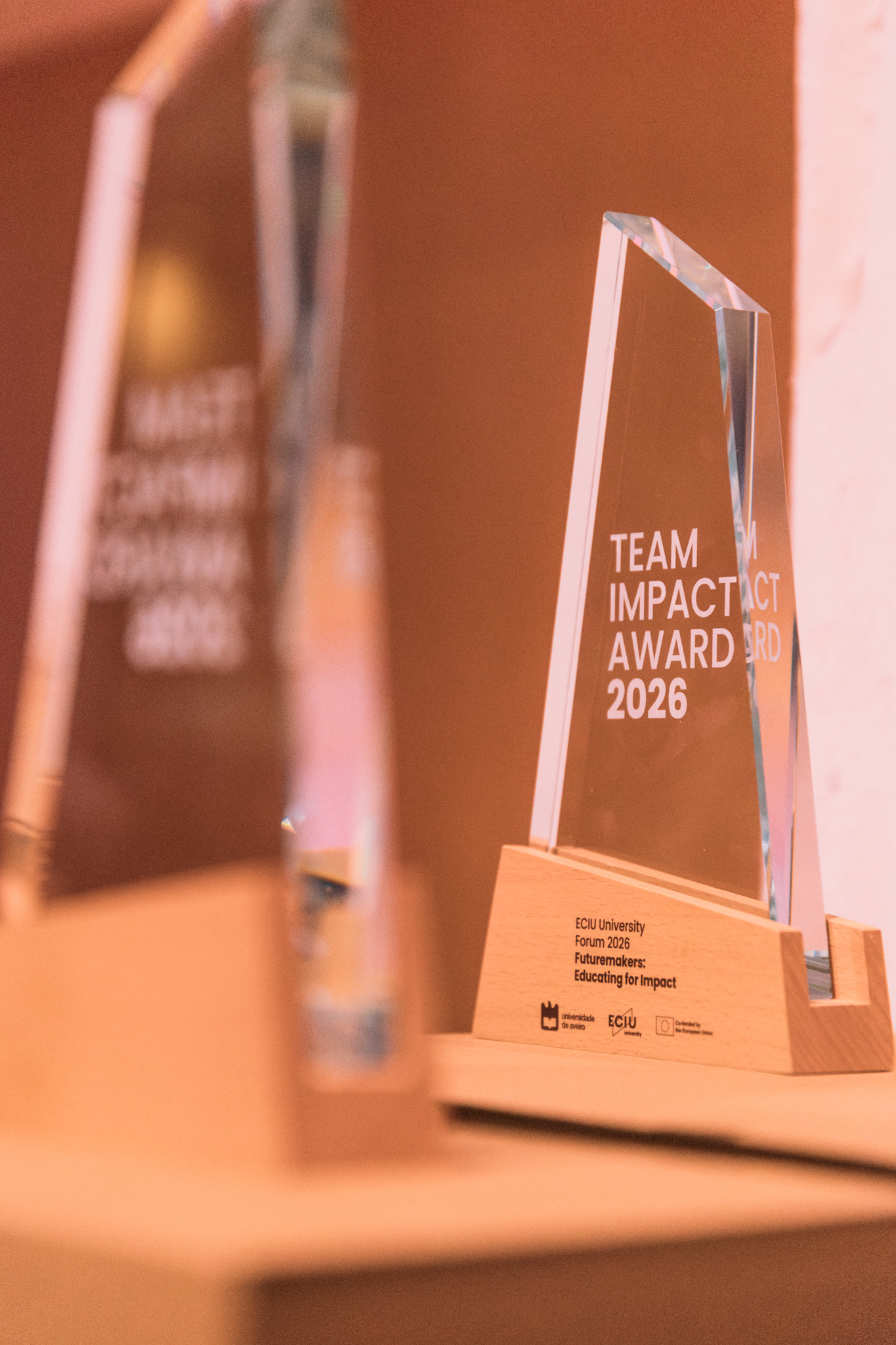
As we move forward, it’s important to look back and see how far the community has already come. Team Impact Award 2026 was an opportunity to do just that, calling for community members to share their own, unique stories of making and experiencing impact at ECIU University.
One of these stories stood out especially – with the team from Universitat Autònoma de Barcelona (UAB) taking the main prize.
Preserving historical memory through artificial intelligence
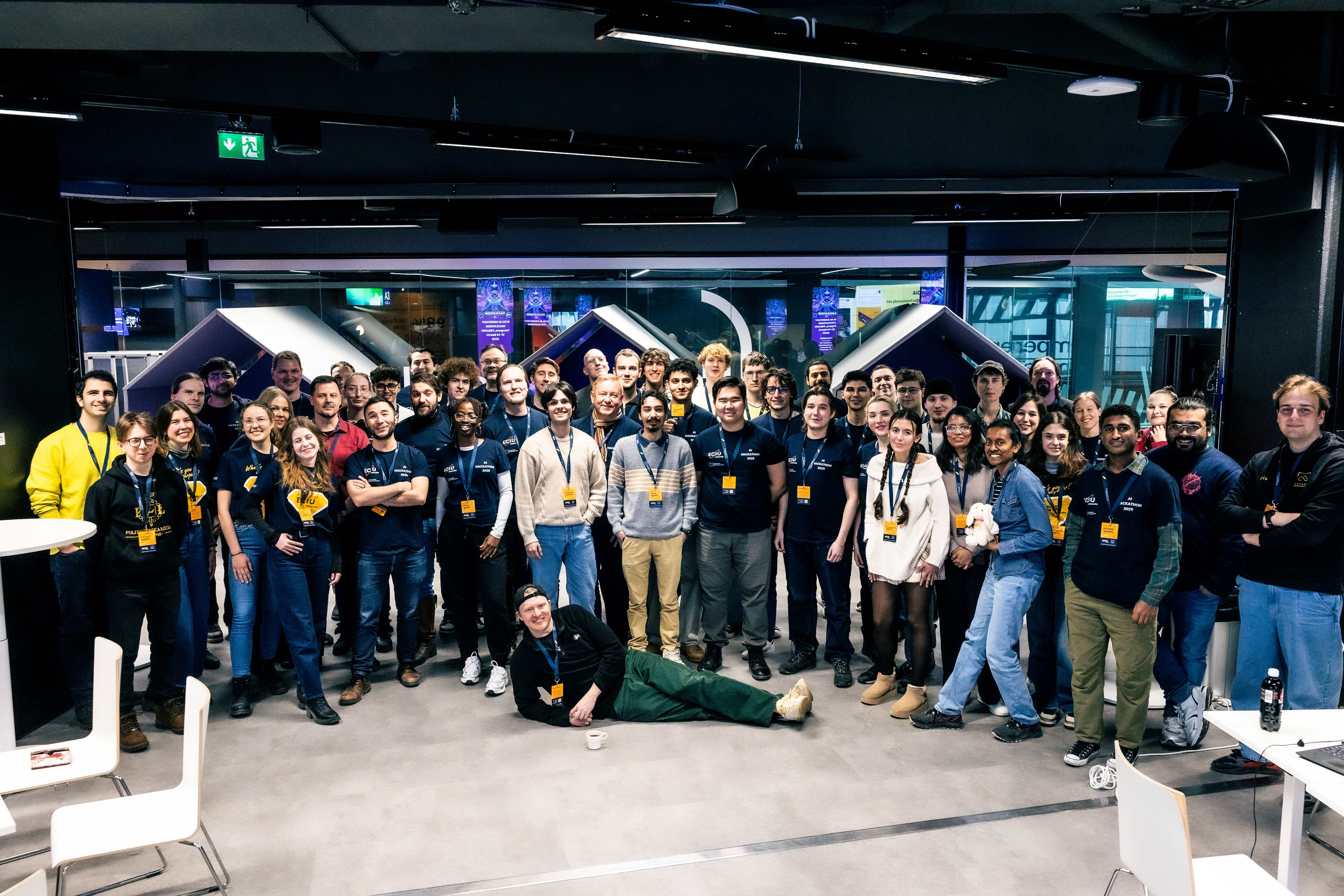
Led by teamchers Adriana Monroy Galindo and Oscar Coromina, a group of over 20 students took on a Challenge called ‘Analysing images with artificial intelligence: A-EYE', which existed at the complex intersection of artificial intelligence studies and historical memory.
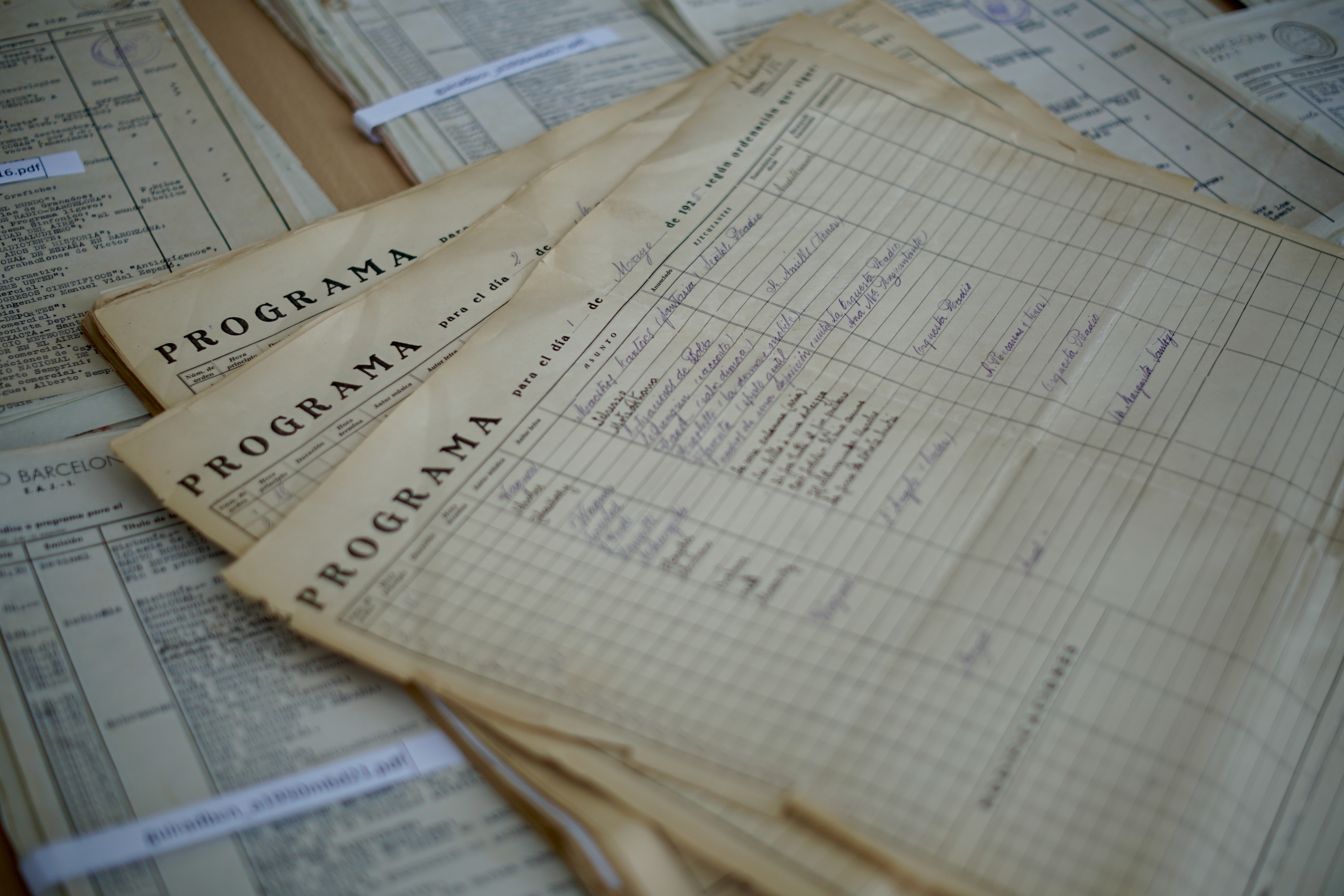
As libraries at the Universitat Autònoma de Barcelona were carrying out the digitalisation of documents from the Spanish Second Republic and the Civil War, they encountered difficulties processing non-text elements with standard OCR technologies. The Challenge offered a unique approach to their efforts.
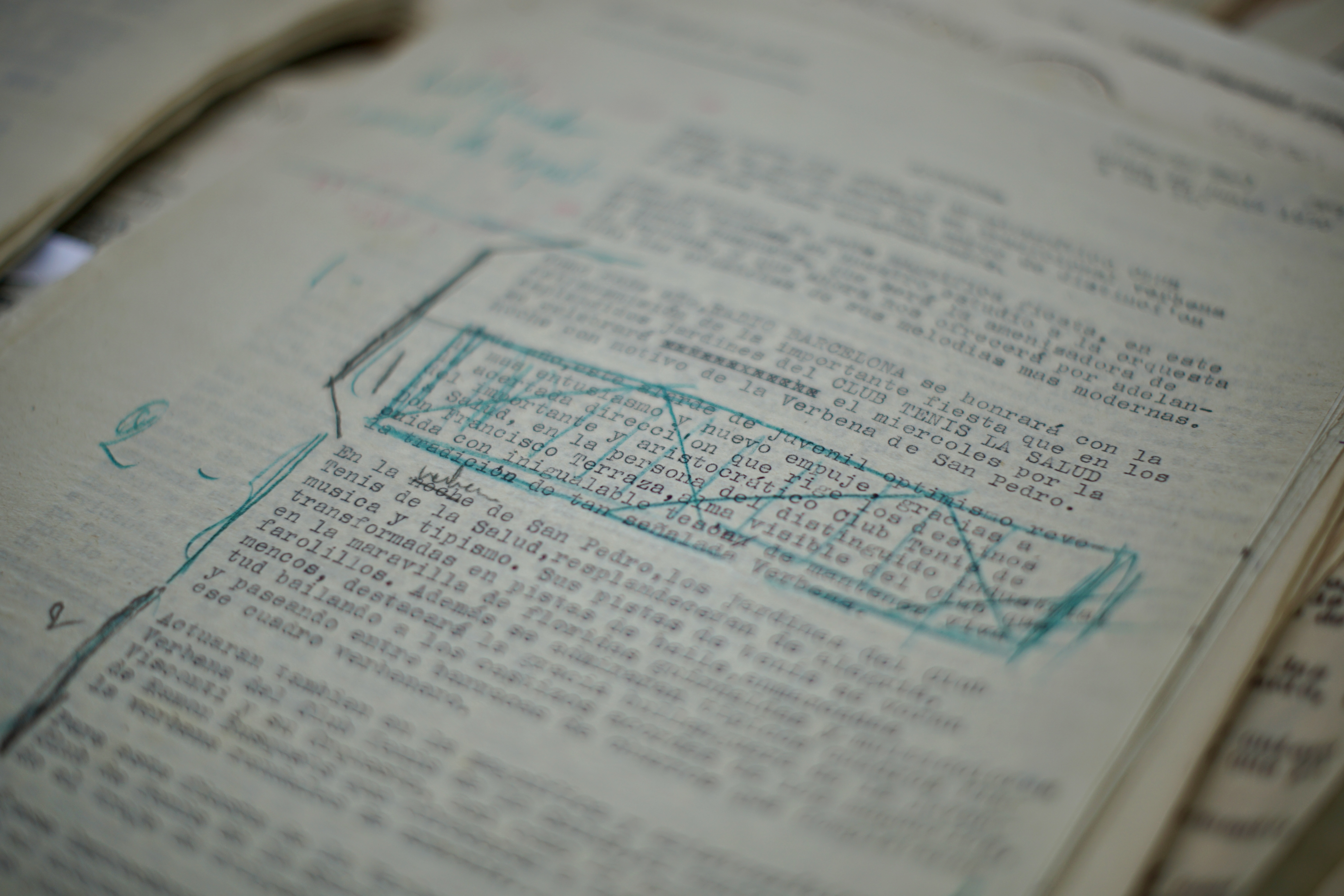
‘We focused on historical radio scripts from the Radio Barcelona archive as a case study to explore how artificial intelligence can support the interpretation of complex historical materials,’ explains Adriana Monroy Galindo.
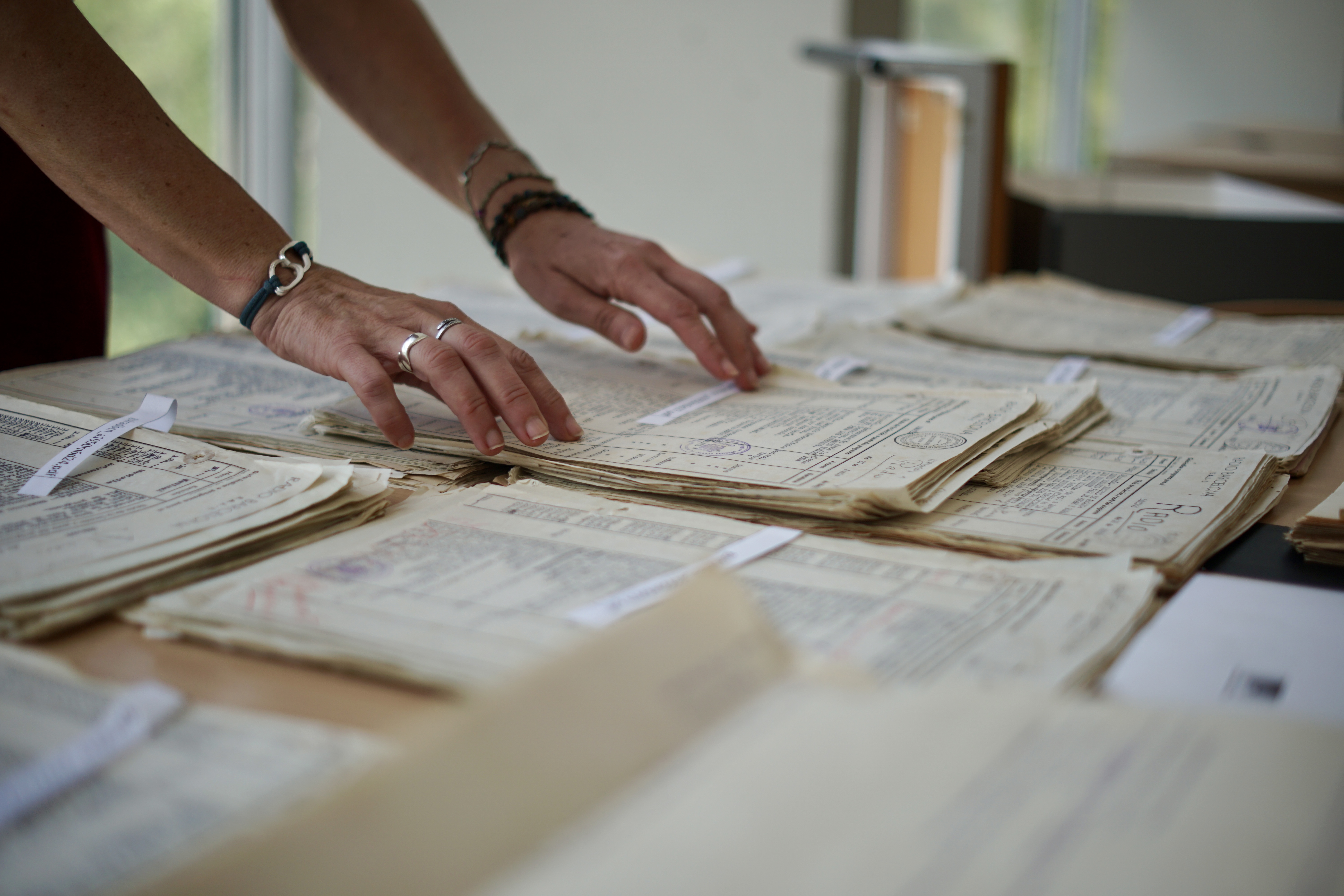
‘The UAB Libraries hold thousands of radio scripts dating back to 1925, including the harshest years of the Franco dictatorship. These documents are full of physical traces of censorship – crossed-out passages, official stamps, handwritten corrections imposed by regime censors – but standard text recognition tools proved completely inadequate for their digitalisation. Every conventional approach failed.’
For some participants, the project also bore a personal meaning.
‘I’ve always loved history, but this project felt especially close to home, since my grandparents lived through the Spanish Civil War,’ shares Lucia Rubio, a recent UAB graduate in Interactive Communication. ‘I wanted to understand our past a little better.’
‘There was also a practical dimension that really motivated me: the radio scripts from Radio Barcelona, spanning 1925 to 1953, had been digitised and uploaded to the UAB website, but they weren't truly accessible to the public,’ she adds. ‘I wanted to help change that, to make over 200,000 pages of history available to anyone curious about where we come from, and to ensure the mistakes of the past are never repeated.’
Between AI and a human’s touch
The team’s goal was to create both a functional AI prototype and an equally useful and ethically responsible digitalisation system. The final result had to support a careful, informed preservation of cultural heritage and history.
Among the tools developed were a semantic search engine and an interactive cluster map that organises the archive by clusters, allowing for easier classification and research. But the key offering was a prototype that combined AI-based image analysis with archival methodologies. It helped detect censorship traces on records from 1942 through visual elements like stamps or ink marks, which text-based systems usually missed, and prompt human review – offering a promising solution to the libraries’ problem.
‘What made the project distinctive was its insistence on keeping human agency at the centre,’ Adriana explains. ‘We used AI as a tool for critical inquiry rather than as an automated answer.’
According to UAB Libraries, students’ solutions brought fresh interdisciplinary perspectives to the table.
‘Seeing students from different fields combine technical, design, and content skills was a great example of what interdisciplinary work can bring to cultural heritage,’ says Rosa Cabezas from the Communication Library and General Newspaper Archives. ‘This project also highlighted the practical value of human-in-the-loop AI: using technology not to replace human judgment, but to support research and reveal layers of historical context.’
An impact beyond the classroom
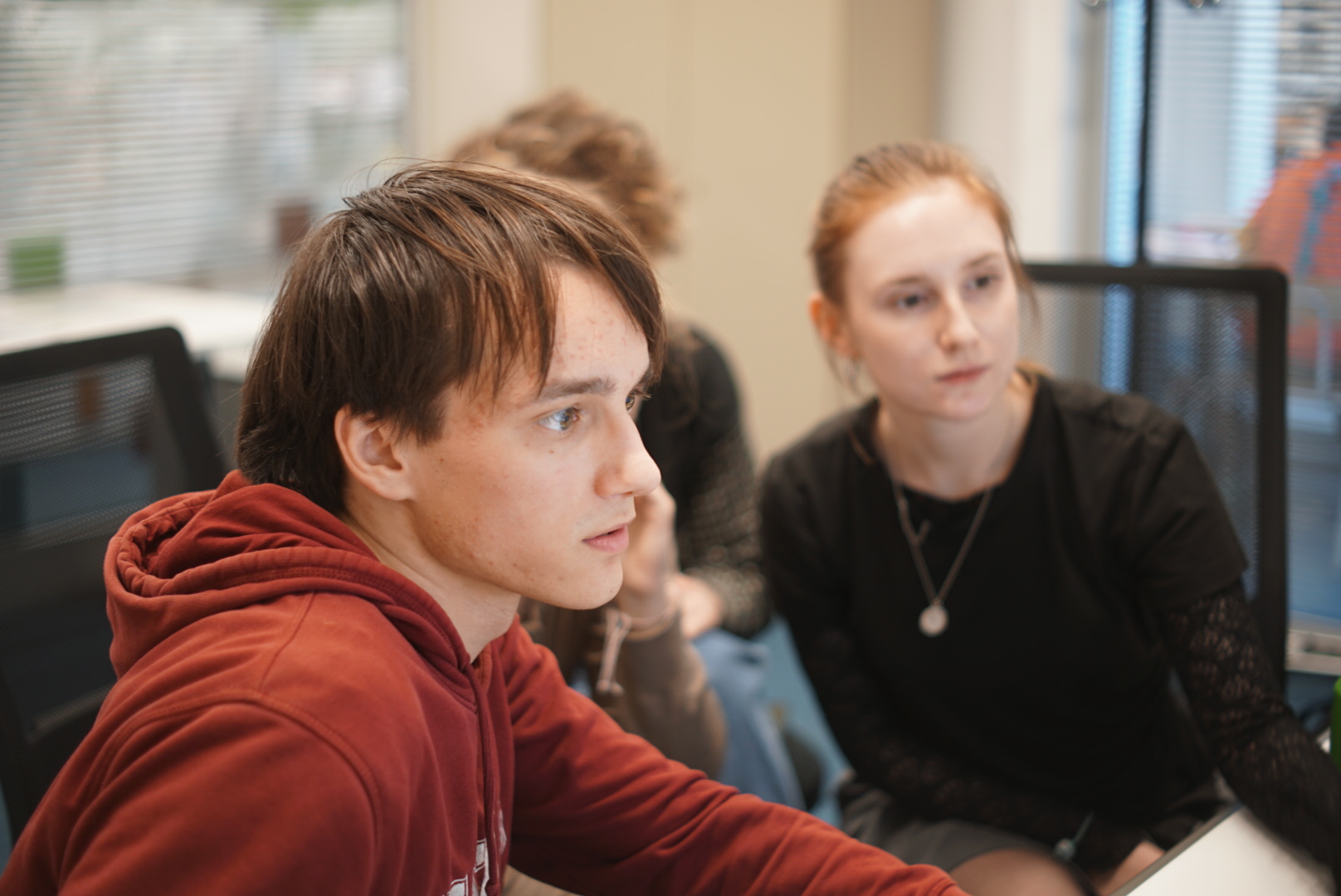
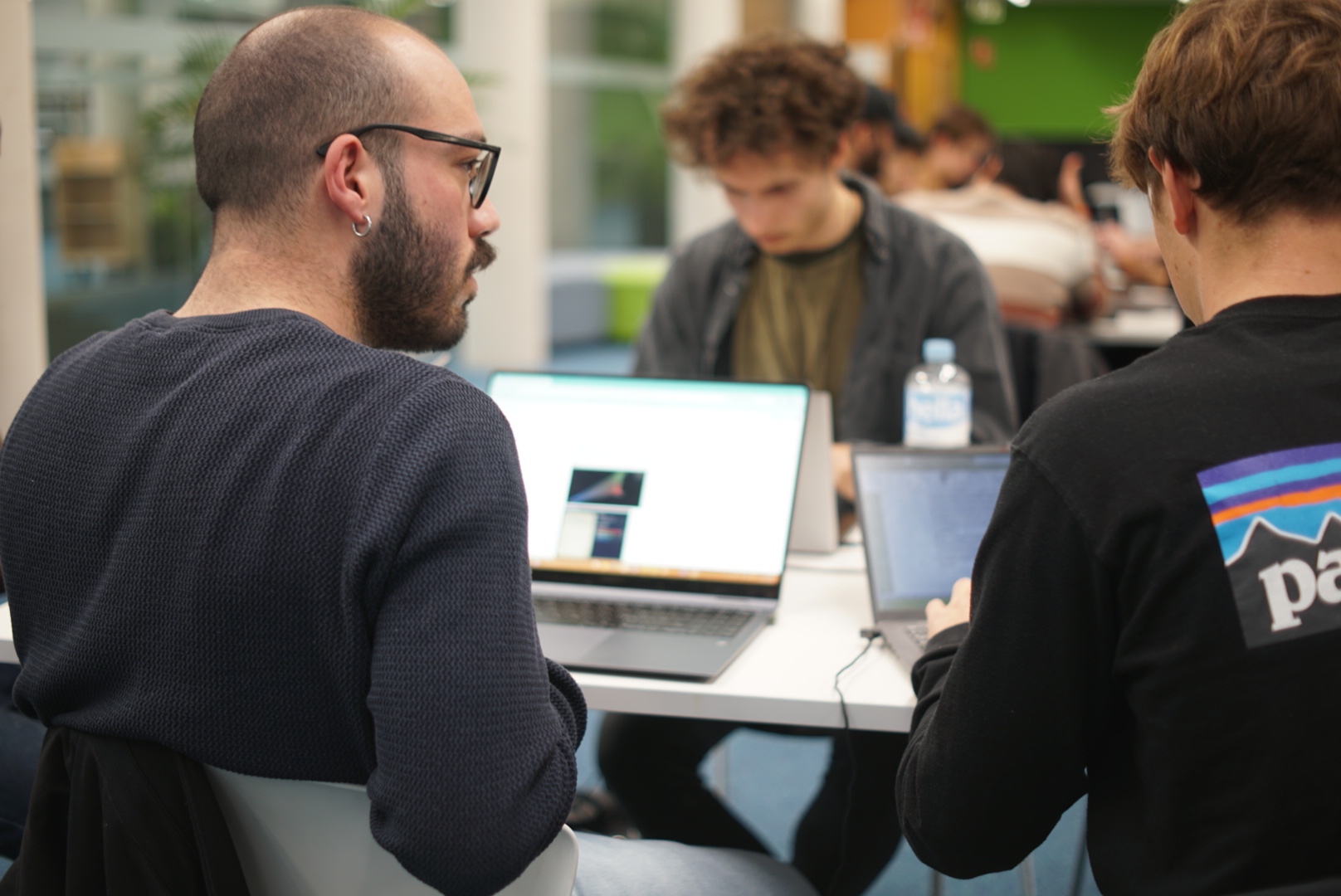
Teamwork and collaboration were at the centre of the Challenge, as students from multiple European universities connected and worked across disciplines and outlooks – supported by professionals at UAB and Radio Barcelona.
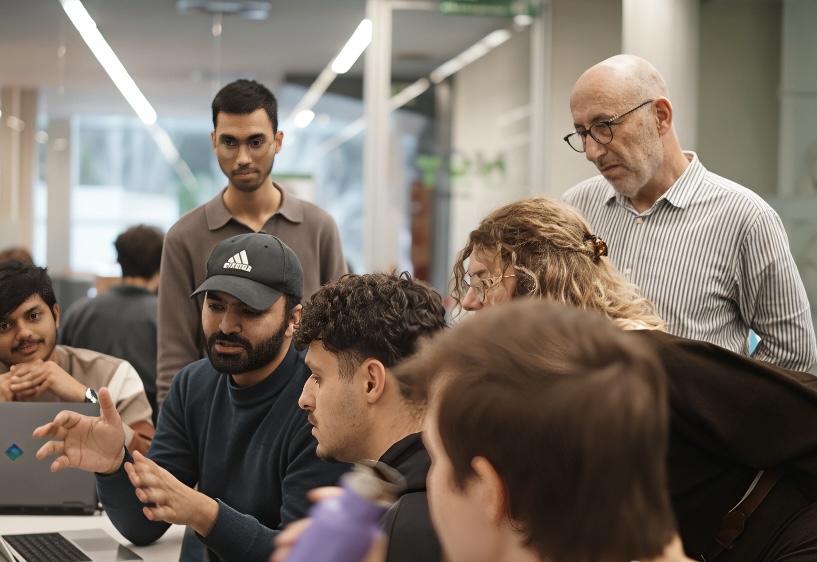
This experience encouraged participants to step out of their comfort zones and explore new perspectives, as it did for Stefano Blanco, an exchange student from Italy majoring in Film Studies.
‘When I found out about the Challenge’s focus on AI, I was a bit hesitant, since I don’t specialise in Computer Science,’ Stefano shares. ‘But then I gradually realised that all perspectives are useful in a collective project – which is perhaps the most useful lesson I’ve learned at ECIU University.’
Meanwhile, for Lucia, the Challenge offered a crucial insight into real-life project work.
‘I realised that my role didn't have to fit neatly into one box,’ she explains. ‘I worked across several areas at once: contextualising and translating archival material, designing the user interface prototype, and making sure the communication between the technical, design, and content teams actually flowed. That experience taught me that in interdisciplinary projects, the people who connect different worlds are just as essential as the specialists themselves.’
But students were not the only ones who got to challenge themselves and experience the benefits of interdisciplinary co-creation, Adriana notes. As a teamcher, she also found this experience transformative.
‘The most valuable aspect was experiencing how much stronger ideas become when they are developed collaboratively,’ she says. ‘Working with students from different academic backgrounds challenged many of my assumptions and pushed me to think beyond the boundaries of my own discipline.’
‘Meaningful innovation rarely comes from a single field or a single way of knowing. It emerges through dialogue, experimentation, and the willingness to sit with uncertainty. Watching students navigate that – and do so seriously – was one of the most rewarding experiences I’ve had in the classroom.’
Inspiring change
The project became a source of inspiration for many and opened doors to future change, strengthening the collaboration between universities and archival institutions – as the cooperation with the UAB Libraries is set to continue. According to Rosa Cabezas, their next steps include expanding access to the archive, digitising the rest of the physical collection, running up to 1958, and building up on what has been achieved.
‘As new documents are processed, we see clear potential for further collaboration with ECIU University students,’ she notes. ‘We want to keep refining these tools so they can eventually serve researchers, institutions, and the public. Future collaborations will let us test and refine these models on broader sets of materials, ensuring new digital pages aren't just stored, but fully searchable and accessible in all their detail.’
The participants also hope to introduce their tool to a wider audience in the future – and turn it into something available to organisations and history enthusiasts alike.
‘The prototype currently covers [UAB] documents from 1942, but the full archive contains over 14,000 pages in individual documents,’ explains Adriana. ‘The Team Impact Award has encouraged us to keep refining the approach, and because the Challenge is designed to be repeated with different historical archives, the tools and methodology will continue to evolve through new collaborations.’
.jpg)
More than a Challenge
But it doesn’t end with the impact the team has made – and plans to keep on making. The project has had a profound influence on them as well.
Stefano joined in without much knowledge of ECIU University, looking to simply challenge himself, but got much more in return. For him, the Challenge became a great stepping stone – a pathway to new opportunities and a different way of thinking.
'ECIU University has opened up new horizons for me,’ the student shares. ‘The idea of a network so large yet so close changes your perspective – and makes many things attainable.’
Meanwhile, as Lucia confesses, she enrolled in the Challenge unsure of what awaited her or how she’d contribute – and yet, A-EYE proved the most enriching experience of her degree.
‘It showed me what it really means to work in an international, interdisciplinary team,’ she says. ‘You're constantly translating, not just between languages, but between ways of thinking. This ability to navigate different worlds is something I'll carry far beyond this project.’
She also has a word of advice for fellow students considering participation in ECIU University activities.
‘Don’t wait until you feel ready,’ Lucia urges. ‘ECIU University Challenges are designed precisely for people who are willing to figure things out as they go, alongside others doing the same. Just say yes.’
Adriana, who will lead the Challenge going forward, couldn’t agree more – offering similar advice to her colleagues at ECIU University member institutions.
‘Don't hesitate to participate, even if the Challenge feels far from your usual teaching context,’ she tells them. ‘Bring a problem you genuinely care about – one that is real, unresolved, and meaningful beyond the classroom – and trust that the interdisciplinary environment will take it somewhere you could not have anticipated alone.’
As Adriana also points out, the team’s experience proves that meaningful innovation comes hand in hand with crossing disciplinary boundaries. She hopes that their story will encourage others to embrace interdisciplinary collaboration, fresh perspectives and new approaches – paving the way for further impact.
‘ECIU University is a space where curiosity and openness matter more than having all the answers at the start. If you are willing to listen, share, and work alongside people from very different backgrounds, you will gain much more than a project outcome.’
Text by: Anastasiya Bukhtiarova