For students, their ECIU University experience usually starts when they apply for the Challenge or Micro-Module. But the preparation for these learning opportunities starts way before the semester does – with onboarding, supporting and guiding teamchers and staff members. All of this is done by Work Package 8 (WP8), also known as Capacity and Competence Development.
From creating a sustainable capacity management framework implemented across member universities to introducing training and networking opportunities, it sets the learning loop in motion – helping the staff get involved and guiding them throughout the process.
We sat down with Sílvia Blanch, the WP8 lead, researcher at the Autonomous University of Barcelona (UAB) and teamcher at ECIU University, and Siska Simon (TUHH), a CBL expert in charge of WP8's educational workshops for teamchers, to discuss what the team has been up to since 2022 and how they plan to support teamcher capacity moving forward.
Question: First things first, how would you describe WP8's main task?
Sílvia Blanch: There are two main tasks. The first one is to develop a sustainable capacity management model to understand the capacity needed for running learning opportunities. It’s essential for ensuring all processes work smoothly.
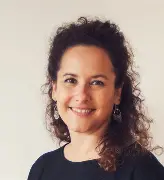
The second task is to build enough capacity for running these courses. To do this, we’ve created an evolving portfolio for the teaching staff that explains and promotes skills and competencies they need for running such courses.
The first task – to build a capacity model – has already been completed. We developed a process for universities that can help them understand how to manage capacity at their institutions and run courses smoothly. We're also running a feedback loop to make sure they have all the information they need.
Q: And what about the second task?
Sílvia: It consists of several steps, but the first one is to understand what skills and competencies teachers, researchers and non-academic staff need for running a learning opportunity.
Siska Simon: It's important to remember ECIU University is for teamchers as much as it is for students. While they get to teach students something they won't find in the regular curriculum, teamchers also get an opportunity to learn – and develop many new competencies while working with and in international, interdisciplinary groups.
Sílvia: That's why we started with identifying [teamchers'] needs so we can develop and promote activities that build up capacity. We then created a portfolio with skills that you'll need at different stages of the process – developing a Challenge or Micro-Module, supporting students, communicating with stakeholders and so on.
Q: Once you identify the gaps that need filling, how do you build up the capacity?
Sílvia: We have many activities for that, depending on the awareness level. For those new to Challenges, we join Lunch&Learns conducted by WP5 twice a year – so everyone can learn more about learning opportunities and different experiences connected to them, like working with stakeholders or interacting with students.
We also create educational content for WP5's Teacher Hub and organise face-to-face events such as our short CBL experience during each ECIU University Forum. For example, this year we talked about how AI facilitates CBL process. It’s an opportunity to both build up capacity and introduce CBL to more people.
Q: What comes next – for staff members who are closer accquainted with CBL?
Sílvia: For teamchers, who already run Challenges, we have regular workshops and bi-semester trainings to support them and answer their questions. There's also Community of Practice (CoP) – a monthly activity where we discuss and reflect on CBL and other topics that can be particularly complex, such as assessment, together.
Siska: CoP is a great way to find a solution to a very specific problem you're facing at the moment, not to mention that different community members and universities get to share their stories through it.
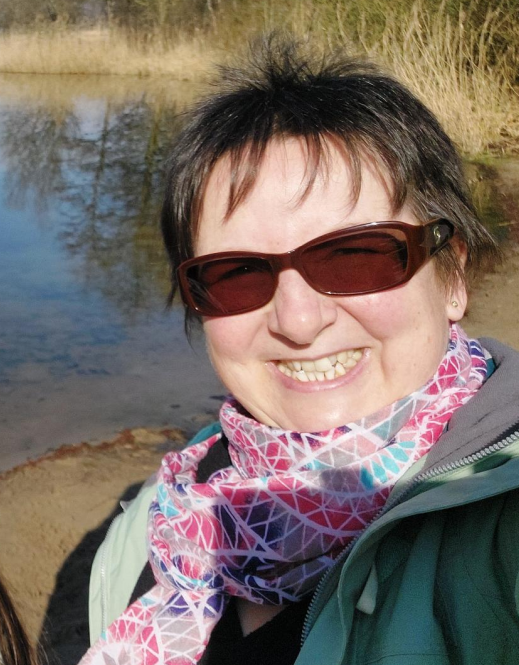
Sílvia: Most importantly, we’ve introduced the so-called Capacity Learning Opportunities. These are courses for teaching, academic and non-academic staff focused on helping them develop necesssary competencies. As an example, we have a yearly online course for everyone who wants to learn about the basics of Challenge-Based Learning, and it’s available to everyone in the community.
Siska: Some of our activities focus more on CBL and innovative teaching methods, while others – such as summer schools that usually last around a week – add an emphasis on networking and learning what and how your colleagues do. We try to organise events where teachers get to know each other and feel encouraged to create things together.
Since collaboration is one of ECIU University biggest strengths, we hope to see even more collaborative events in the future – and more learning opportunities developed collaboratively as well.
Q: What has been the biggest takeaway from these activities so far?
Sílvia: I think they've shown the importance of both the capacity and management framework in guiding the teaching staff. For our Capacity Learning Opportunities, we originally hoped for 300 participations – and as of today, there have been more than 4000, which we are very proud of.
Activities both on the local and ECIU University levels have really been motivating people to get involved. And we're talking about participations, not participants, for a reason here. This means there are returning users – those who found out about ECIU University and CBL, started exploring, took courses and gradually moved to developing learning opportunities themselves.
It takes time for academic and non-academic staff to feel confident enough to go from observing and learning to creating and participating. So it's very good that we offer different opportunities with different degrees of involvement. You can gain some surface-level knowledge, you can go more in-depth, you can build things of your own. And as the numbers show, the staff is truly interested in this.
Q: With so much done already, what are the plans for the future?
Sílvia: As the phase comes to an end, our main goal for now is to keep sharing tools and ways for training and creating capacity. We also want to carry on adjusting the capacity portfolio and WP8 activities, to ensure our resources can reach a wider audience. Although we have focused primarily on academic staff so far – many of whom are also researchers – non-academic staff and researchers will become a greater priority moving forward.
Siska: Additionally, we have analysed our training concept and found competencies we want the teamchers to focus on more – for example, working with external partners. In the future, we'll be addressing these new skills.
Silvia: Overall, it would be great to see the teamcher community evolve into a full-scale community of practice, so we can meet, brainstorm, exchange perspectives and support each other on a regular basis. A sustainable community with sustainable opportunities – where people can grow, research and innovate together.
Q: Now, on a more personal note. WP8 has definitely had an impact on many staff members within the community, but what impact do you feel it has had on you?
Siska: ECIU University has broadened my horizons as an educational expert a lot. It even shows in little things – for example, I'm usually very on time, but this experience made me realise that time isn't always the most important thing, especially when you get so engaged in the process you forget about it.
I enjoy being introduced to others' ways of teaching, seeing how my colleagues do things and learning from them – and I think it affected how I approach my work as a teamchers' teacher as well. It really helped me grow.
Sílvia: To me, the people involved in ECIU University are the greatest thing about it. They are real professionals and wonderful people, and I feel truly lucky to work with them – especially with my team. Their way of thinking and resourcefulness are incredibly inspiring, and I'm always paying attention to how they work, so I can improve in my own work as a teacher and researcher, too.
Overall, this experience has helped me open up to new perspectives and things. I got to know different people and cultures – including different working cultures. I learned to understand others better, to be flexible and adjust to various situations, to work in international and multidisciplinary surroundings. These skills have proved useful both in my professional and personal life.
So, while I feel like the WP affected me in many ways, most importantly, it encouraged me to learn – and reminded me how important it is to learn from others.
Interview by: Anastasiya Bukhtiarova
Photos provided by: Sílvia Blanche and Siska Simon