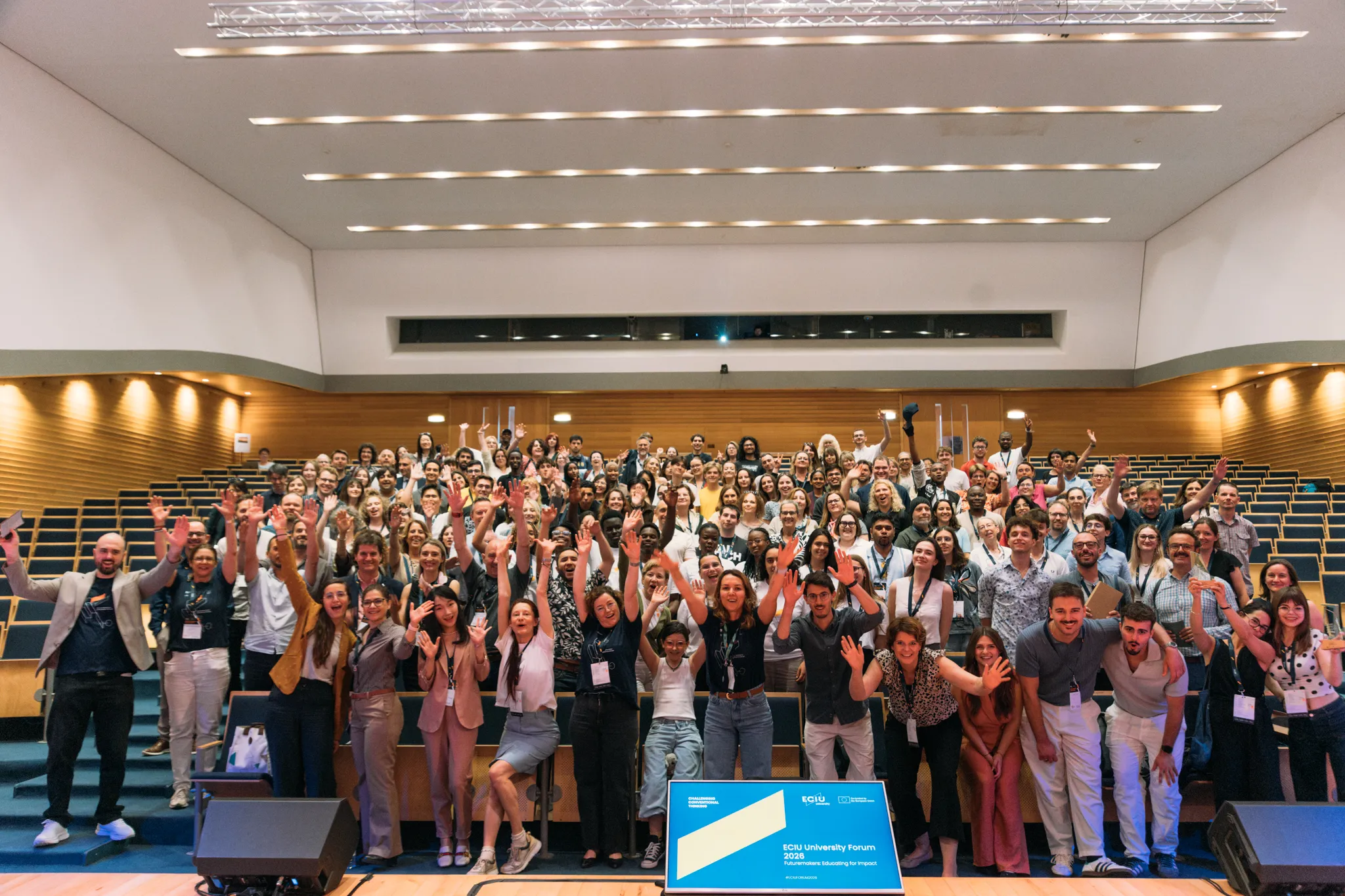
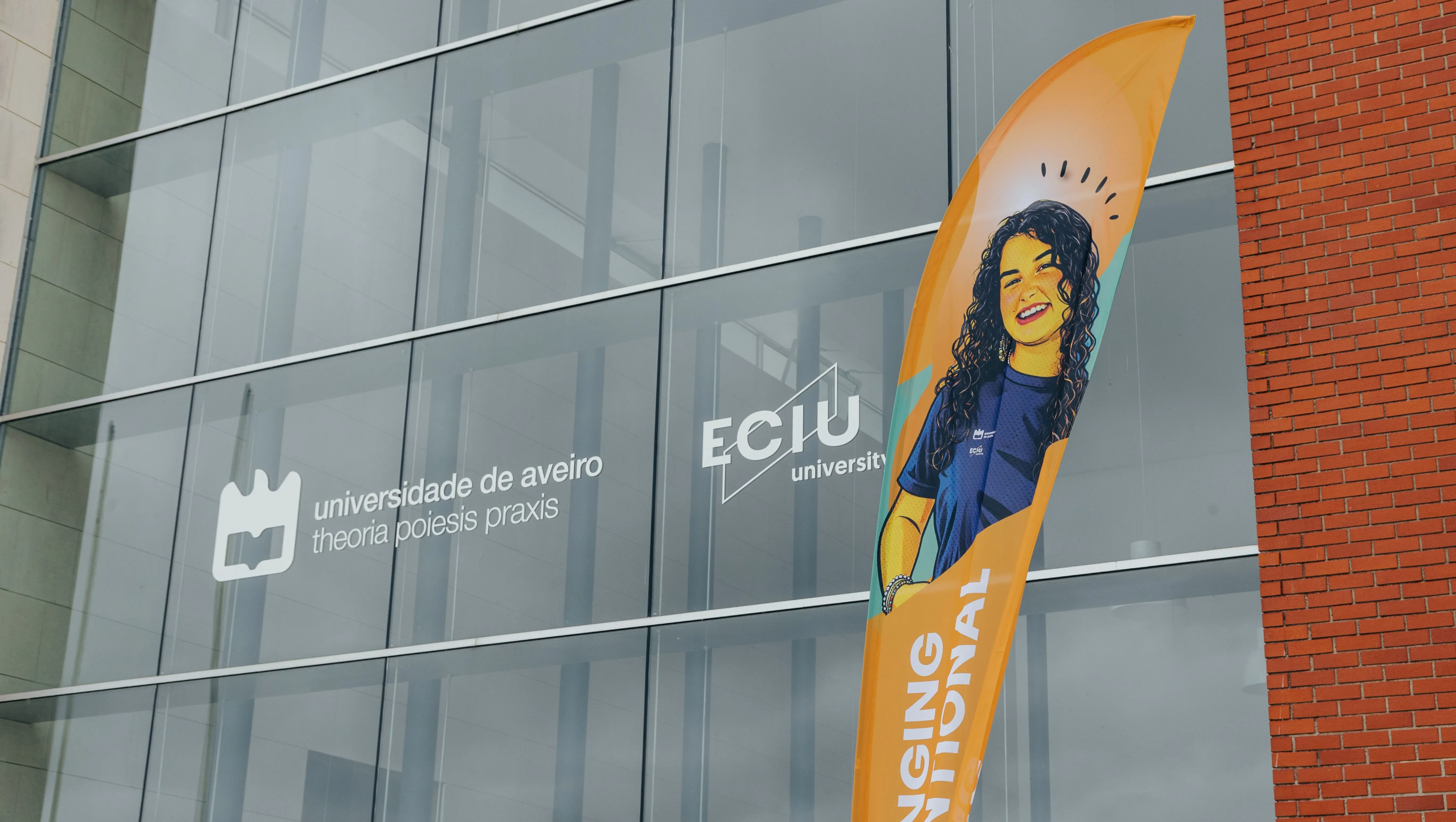
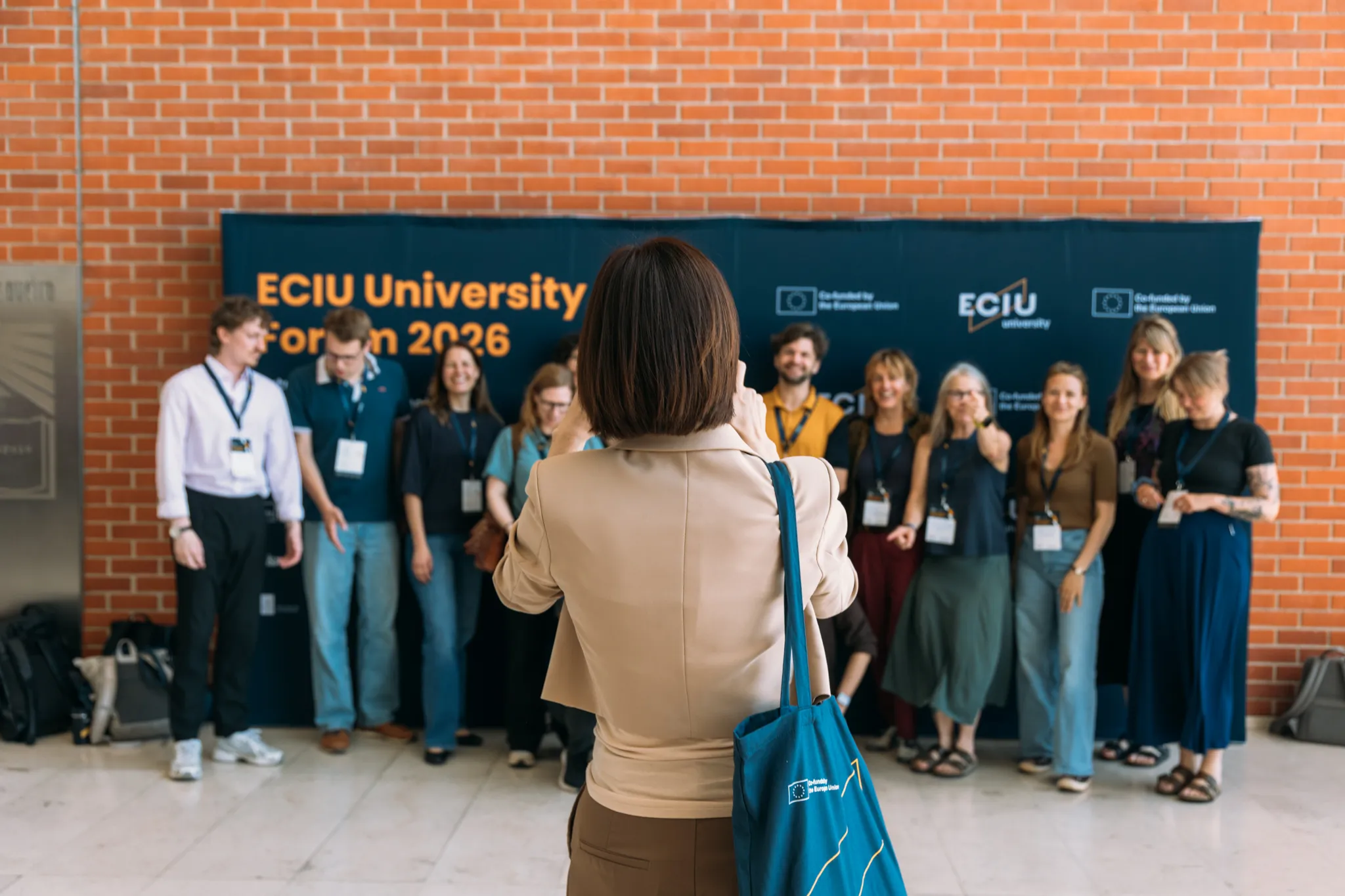
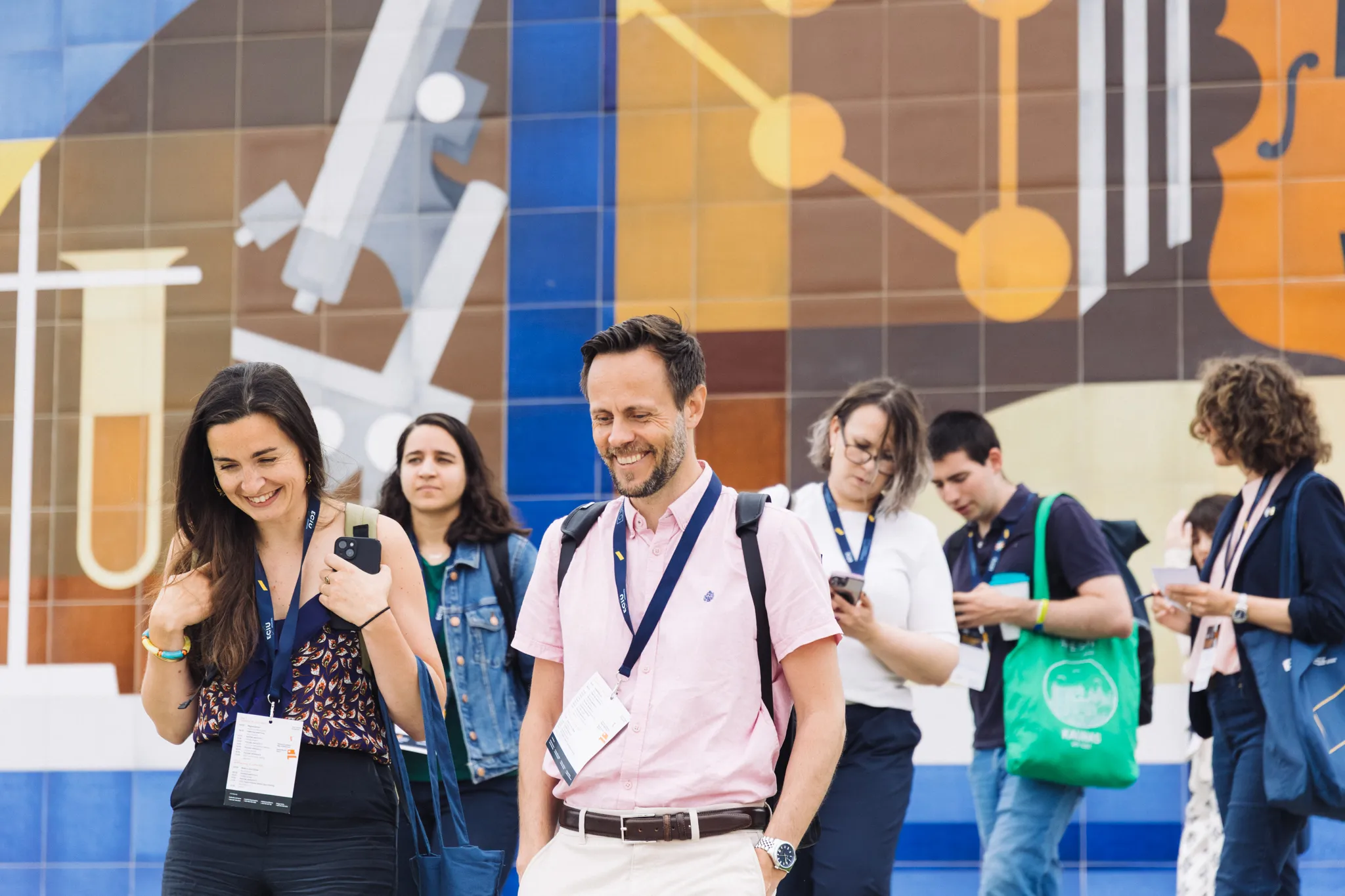
Seeing so many familiar faces at each event - partners in the effort to establish a new initiative in European higher education - shows a community that is growing stronger. This is also the message conveyed by participants of the ECIU University Forum when they speak of the ECIU University. Now in its third year, the Forum was hosted by University of Aveiro (UAveiro) on June 16-17th.
“What we have achieved so far at ECIU University is much more than a network of universities. It is a community of students, faculty, researchers, professionals, and partners from society who believe that the future of higher education must be built through collaboration and shared commitment to solving everyday challenges”, said Vice-Rector Sandra Soares in her closing remarks at the Forum.
In the presence of the Secretary of State for Higher Education, who was also present at the closing session, the UAveiro Vice-Rector called for greater support and alignment from national governments and the European Union to consolidate the work that has been carried out through these partnerships. She emphasised that it is essential for students, faculty, and researchers to continue deepening their involvement in such efforts. Sandra Soares alsoreaffirmed that the future of higher education lies in collaboration and a shared commitment to innovation and social impact.
During her remarks at the end of the session, Secretary of State Cláudia Sarrico responded by stating that the government is committed to approving regulations to facilitate the accreditation of joint programs proposed by higher education institutions in countries within the European Higher Education Area, as well as a new legal framework for the recognition of qualifications obtained abroad - one that is more efficient and better aligned with the growing mobility of students and graduates across Europe.
Commenting on the work carried out, Cláudia Sarrico noted that “the ECIU and ECIU University’s experience shows that European integration in higher education is not an abstract aspiration; it is already being built through concrete partnerships and commitments”. She further emphasized the alignment with the Vice-Rector’s request: “Our role, as politicians, is to ensure that the legal and political framework keeps pace with this vision”.
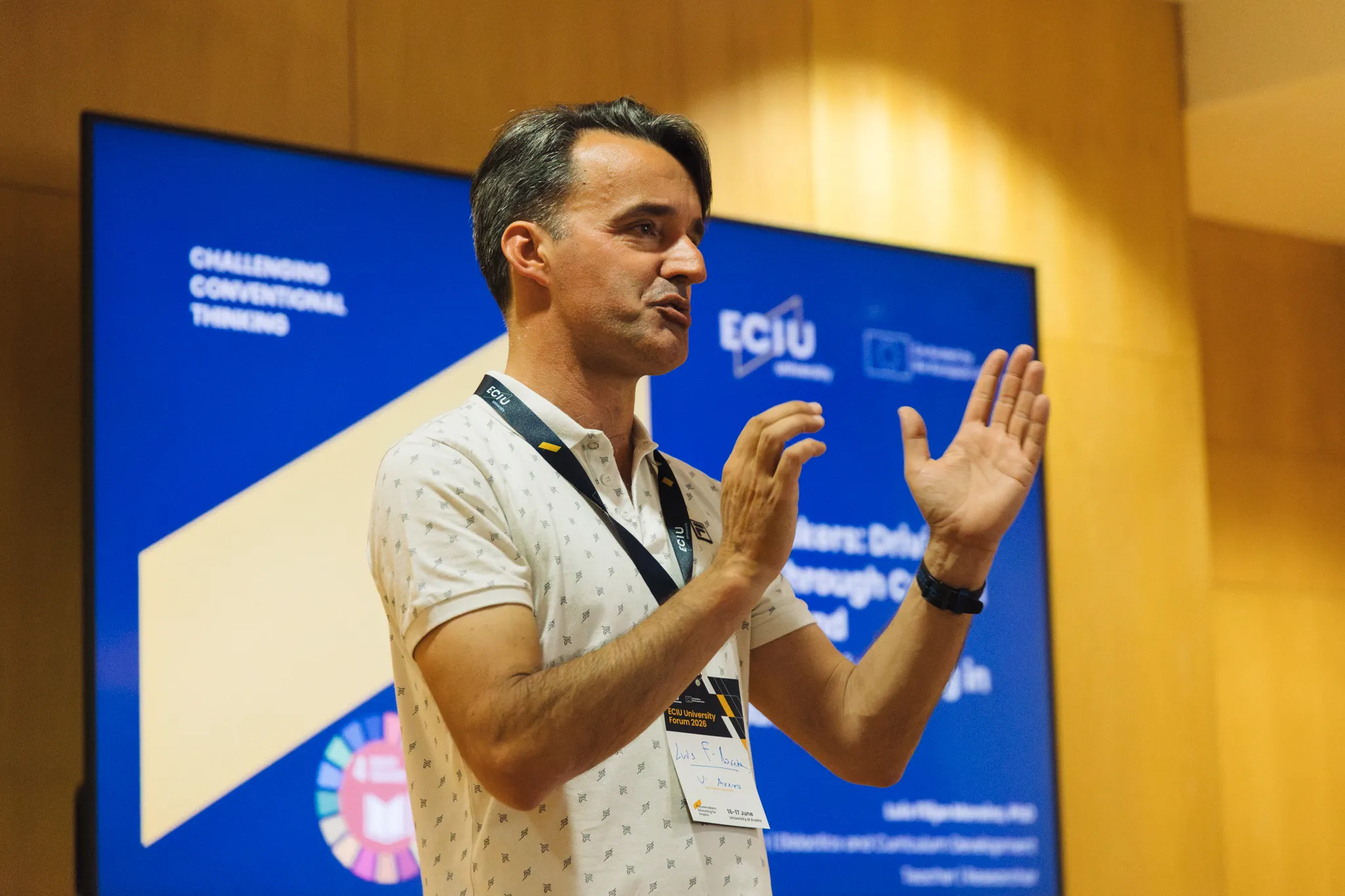
Among the leaders directly involved in the ECIU University, there is a consensus on the progress achieved.
“What we see here is a truly vibrant community; these are concrete actions and proof that European higher education institutions are working together and with society and businesses”, stated Katrin Dircksen, Secretary General of the ECIU, emphasising afterwards: “We need to strengthen our collaboration with society and not just among higher education institutions”.
Along the same lines, the executive director of ECIU University Nial Power said: “This has resulted in a much stronger and more cohesive ECIU University, with greater visibility, where there is better coordination among the various projects being developed within it”.
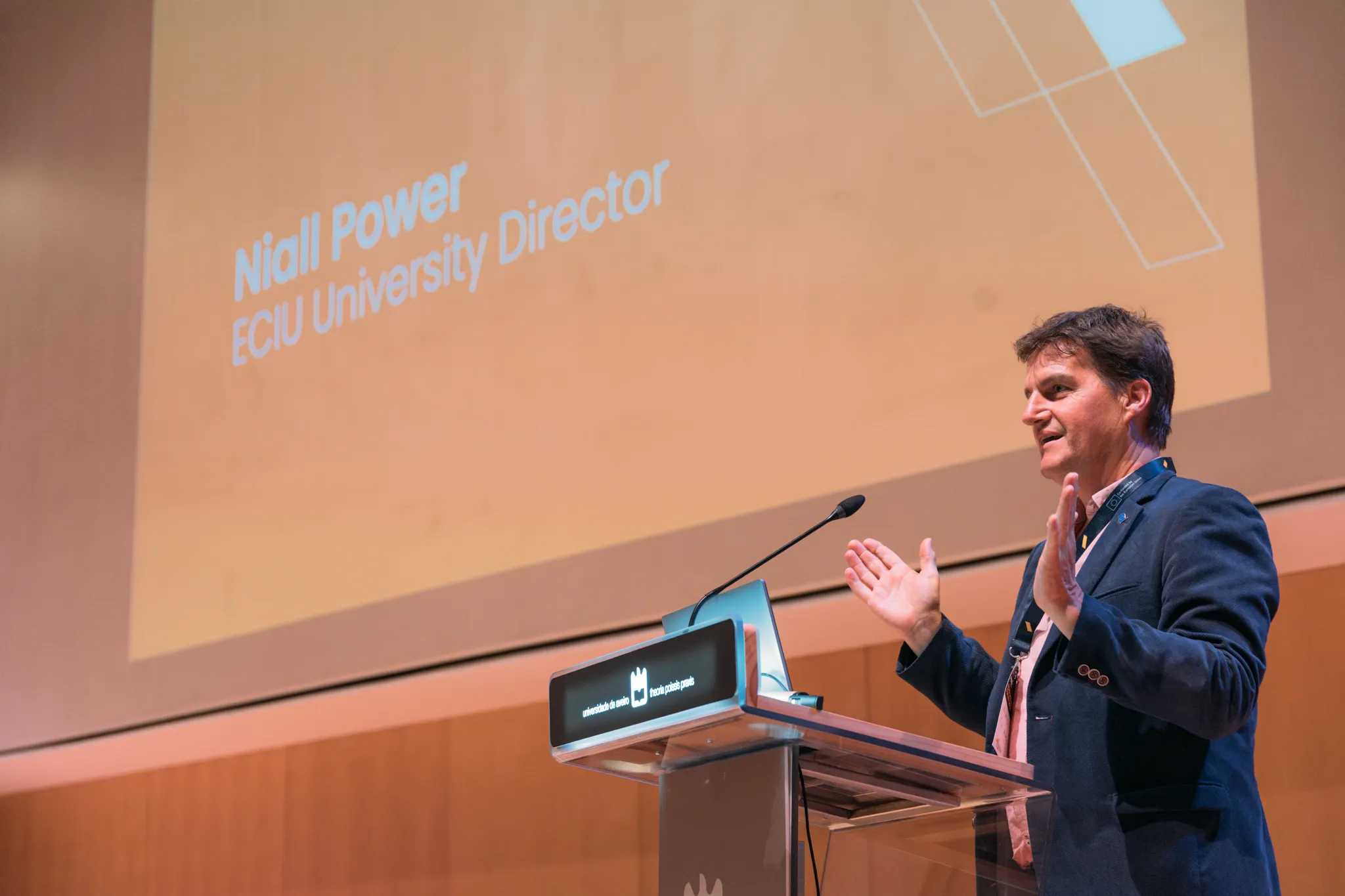
Niall Power also noted that “the impact the ECIU aims to have is increasingly evident: on society, on students’ lives… For example, it is becoming more and more common for students to participate repeatedly in ECIU University activities, which involve more and more stakeholders from society and are also establishing themselves as opportunities for lifelong learning. There is also a strengthening and greater preparation of the structures that manage the ECIU”.
More enthusiastic students
Student participation - the central focus of the ECIU University’s initiatives, alongside faculty, researchers, and staff - has also been increasing. This was the perspective shared by Ryan Wakamiya. The coordinator of student engagement initiatives for ECIU University notes that students are paying closer attention to the activities offered and have been participating in growing numbers.
Ryan emphasises the importance of these initiatives for developing students’ skills, in addition to - and, in fact, as a complement to - the undergraduate education provided by higher education institutions. These skills are commonly referred to as “soft skills”, a term with which Ryan Wakamiya disagrees, as he considers them fundamental and believes they are not sufficiently explored either in undergraduate education or in the workplace after graduation.
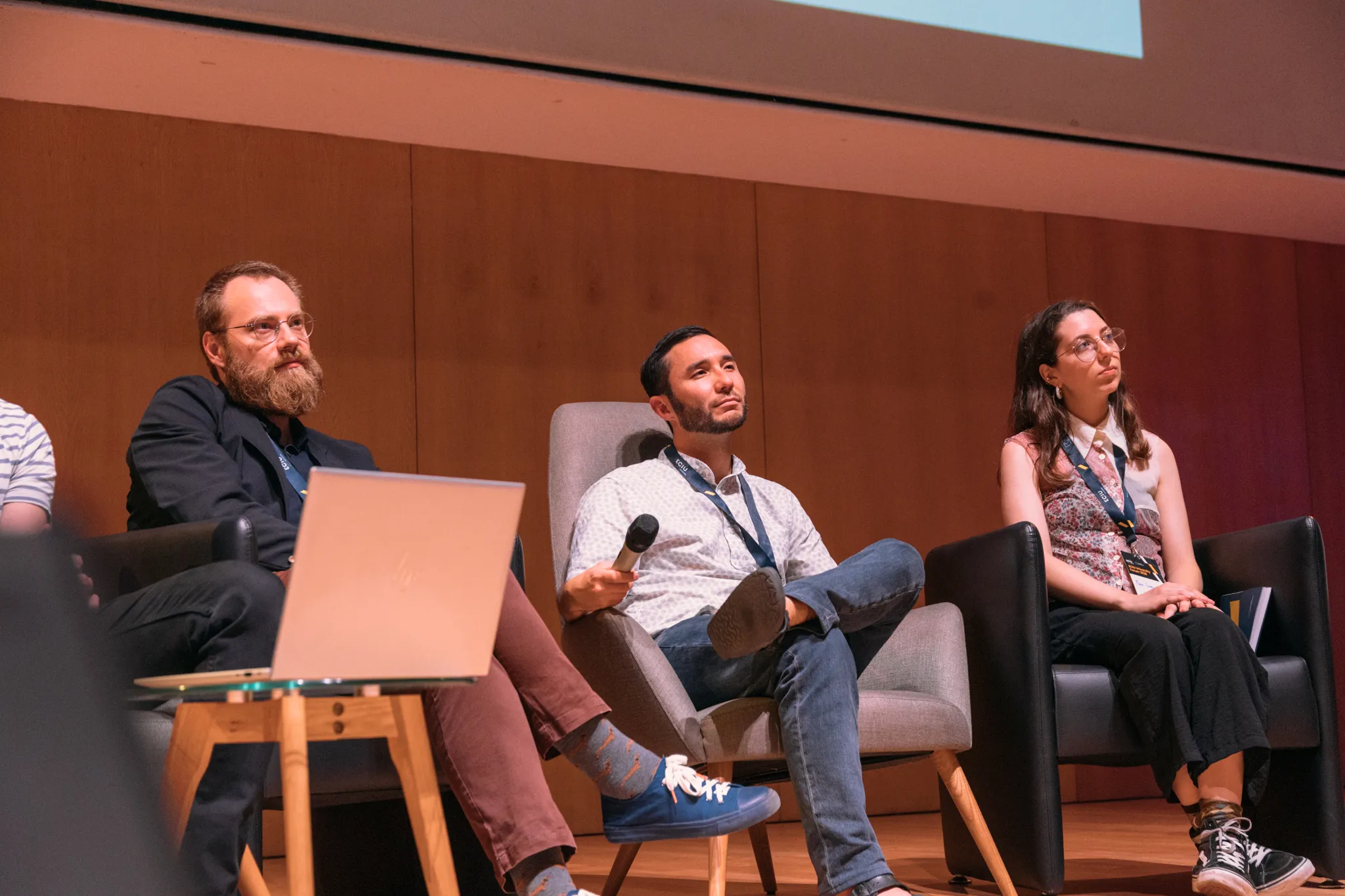
“These skills are important both for those who intend to continue in academia, pursuing the sciences, and for those seeking a future in the job market”, he emphasises. “Working with people from different cultures and fields of study, in a mobility context where students travel to another country, is a transformative experience!”
It should be noted that ECIU University, in addition to events such as the annual Forum, promotes an extensive program of educational offerings, specifically micro-modules and Challenges, which often involve mobility and work in teams composed of members with diverse educational backgrounds and from different countries to solve everyday problems proposed by societal stakeholders - primarily companies. These proposed problems are of the type that Ryan Wakamiya refers to as “open-ended problems”, which are closer to real-world problems that typically require multidisciplinary teams to solve them - unlike the problems usually proposed in an academic context.
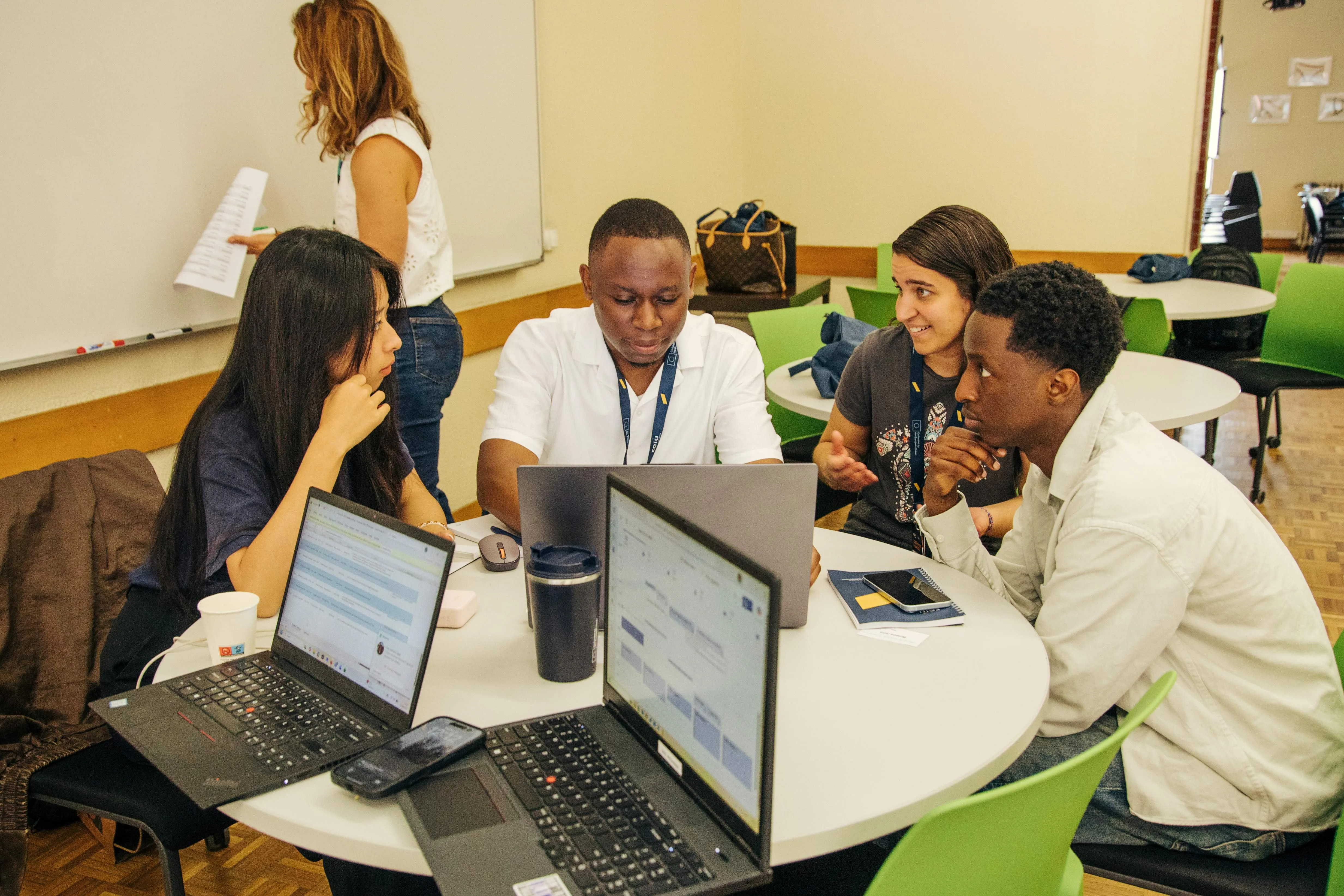
Elsa Le Floc’h, a third-year computer engineering student at INSA-Toulouse in France, is an example of students’ growing interest in these new educational opportunities. She has already participated in the ECIU University Forum in Kaunas (in 2025), the Creathon at UAveiro (also in 2025), and a leadership program for student ambassadors (from ECIU University), organized by the University of Lódz.
“We learn a lot by working on day-to-day projects with peers from different cultures and academic backgrounds; everyone contributes in their own way. That’s what makes these initiatives so interesting!” says Elsa.
Learning goes hand in hand with Emotion and Life
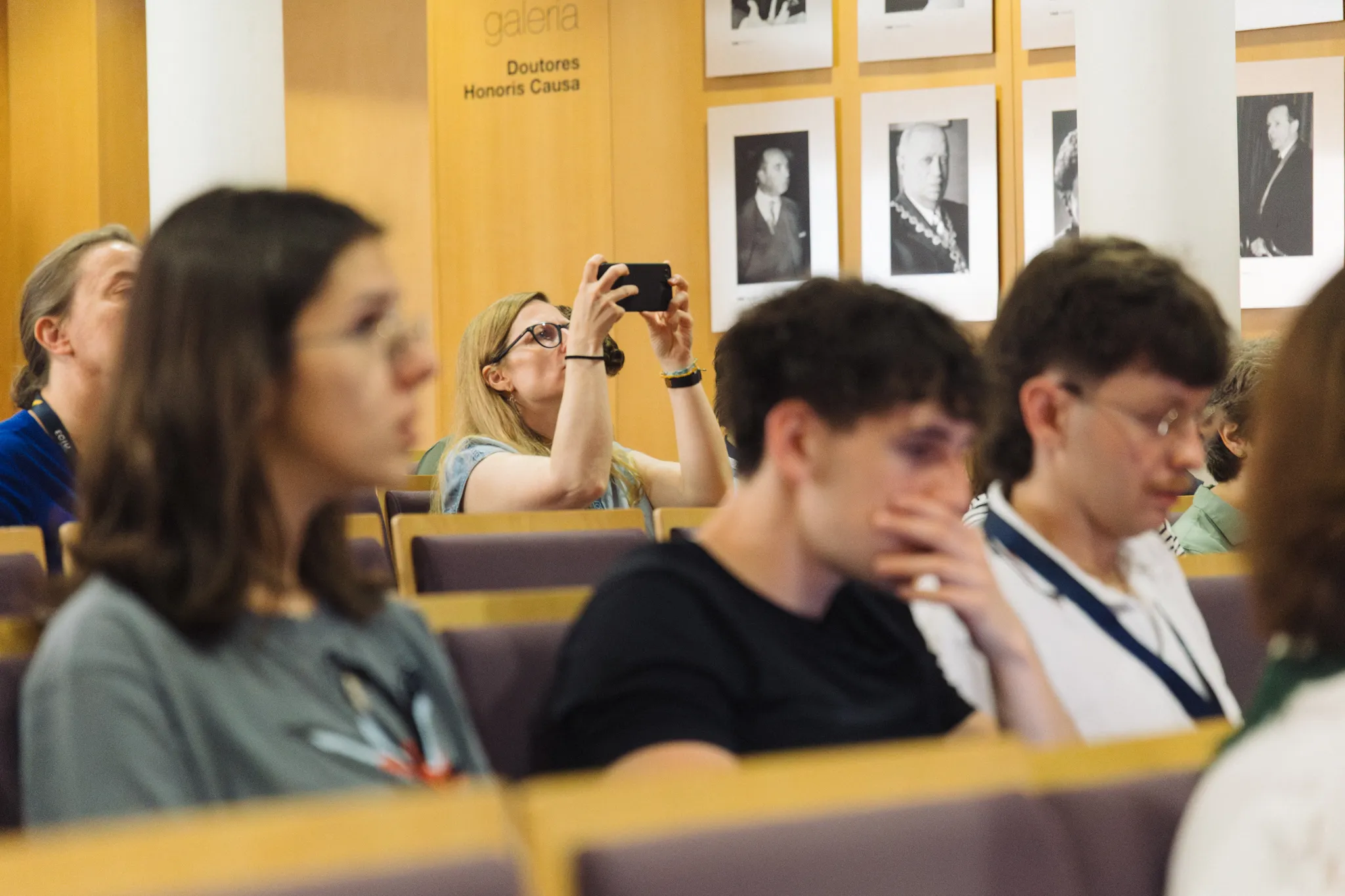
Drawing on a story related to his family background and addressing the relationship between education, emotion, and what is learned beyond conventional higher education - that is, other ways of learning - the keynote speaker opened the ECIU Forum. Rui Raposo, a professor in the Department of Communication and Art at UAveiro, titled his presentation: “Learning is what happens to you while you’re busy making other plans”.
Rui Raposo advocated for a learning cycle that goes beyond the conventional trilogy of life: “discovery, application, and decline”. The social value of education and its relevance to personal empowerment were clearly illustrated through the story of a Portuguese man and woman, both from humble families in villages in the Portuguese countryside, who took advantage of the educational opportunities available to them, became nurses, moved to Angola, returned to Portugal after the April 25 Revolution, and emigrated to Canada without being fluent in English.
Later, they returned to Portugal and realised they needed to update their knowledge as they sought to lead an active life after retirement. To the phrase that might appear on a possible epitaph - “They lived and laughed and loved and left” - taken from James Joyce’s “Finnegans Wake”, considered one of the most difficult novels ever written, Rui Raposo would add “and they learned”.
The professor explained, in closing, that the story was based on real events - the lives of his parents. But not all of it. His parents are still alive.
Team Impact Award for the Autonomous University of Barcelona
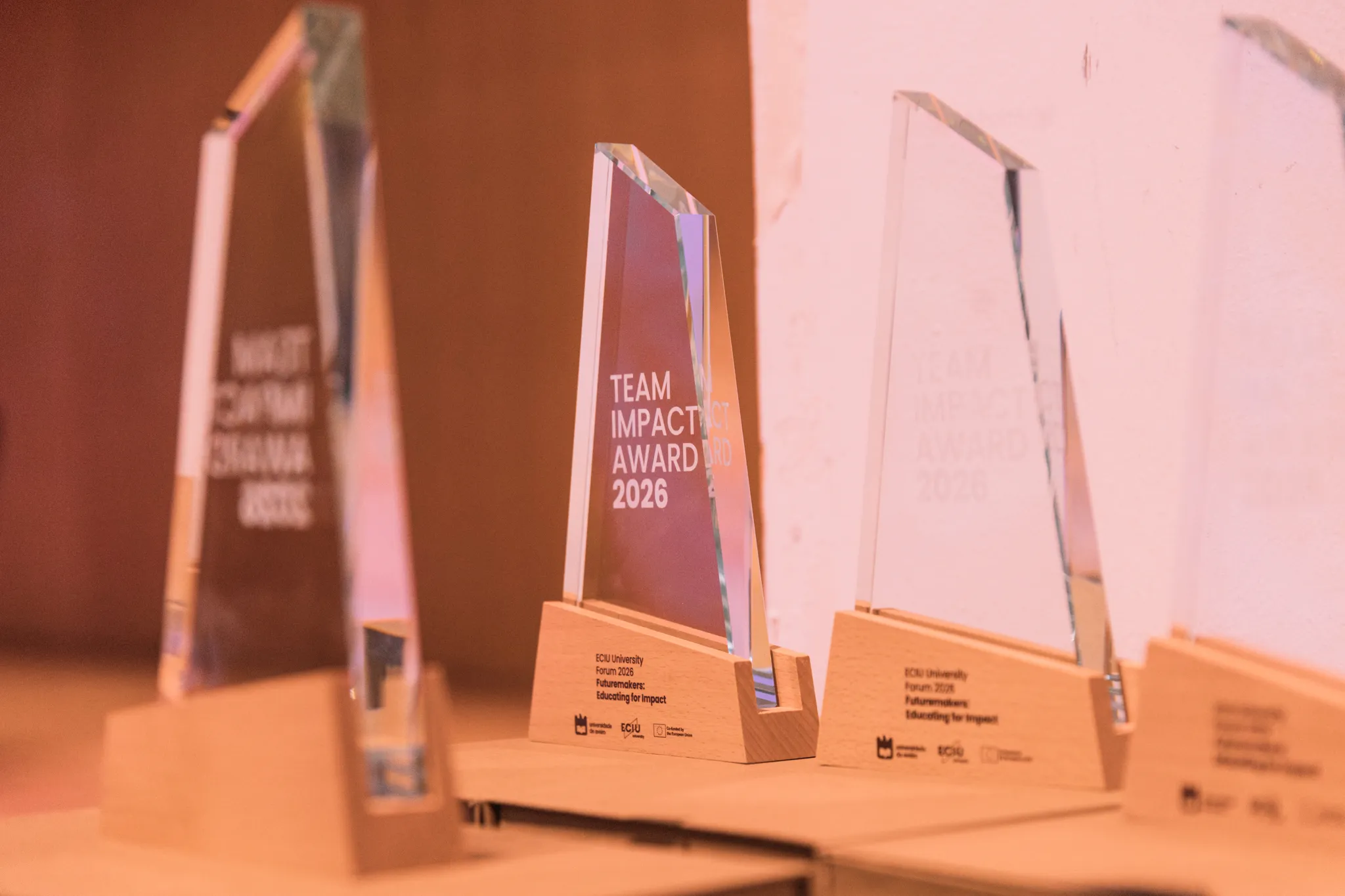
“Analysing Images with Artificial Intelligence (A-EYE) - A call to action and an invitation to explore technology’s impact on how we manage and engage with historical and cultural heritage” is the title of the Challenge that won the Team Impact Award, presented at the closing session of the Forum.
The Challenge explored new forms of image processing to uncover what censorship had concealed in radio transcripts from archives of great cultural significance related to Franco-era Spain and took place between November 2025 and January 2026.
The team consisted of Tom Hilbrunner (Hamburg University of Technology) and Lúcia Rubio, Stefano Giuseppe, Adriane Monroy Galindo, and Òscar Coromina Rodríguez, all from the Autonomous University of Barcelona, in partnership with Rosa Cabezas Garcia (representing the business stakeholder).
.webp)
This award recognises projects and educational programs that stand out for their collaboration, creativity, and commitment to addressing real-world challenges, creating solutions with a positive and sustainable impact on communities.
Students help shape the society and university of the future
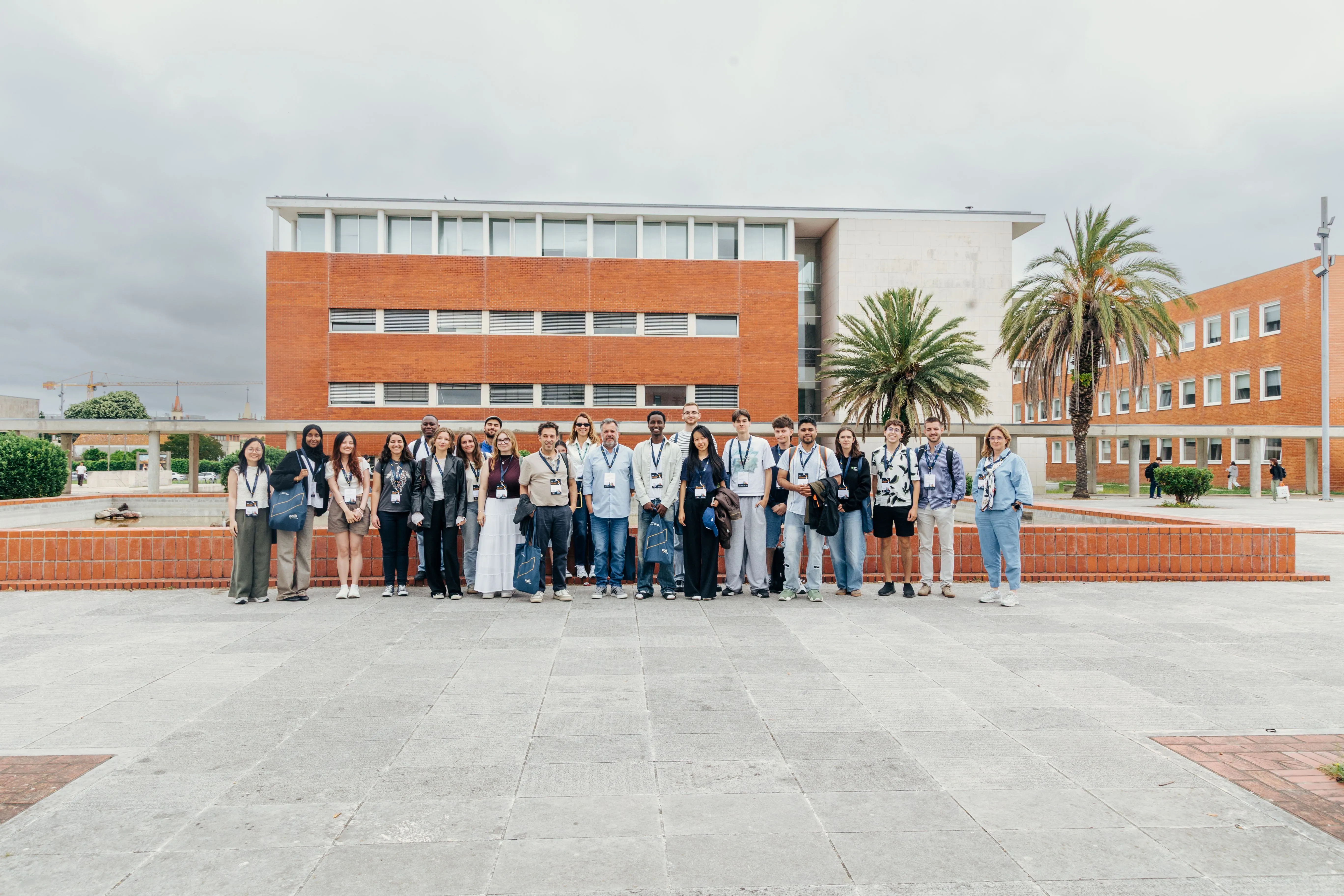
In parallel with the ECIU University Forum at UAveiro, activities dedicated to students took place. On the day before the official Forum program began, on June 15th, students from various partner institutions gathered in the morning for an in-person session of the ChangeMakers Challenge, which took place between May 28th and June 19th.
Under the overarching theme “Resilient Communities” - and as part of the Forum’s overall theme (“Future Makers: Education for Impact”) - participants discussed educational proposals to empower today’s students (change-makers) to become the builders of the future, driving meaningful transformations in today’s society.
Twenty-eight students participated under the guidance of UAveiro faculty members: Margarida Fardilha, Fabianne Macedo, Vânia Carlos, Joaquim Macedo, Carla Patinha, Alexandra Nunes, and Vitor Neto.
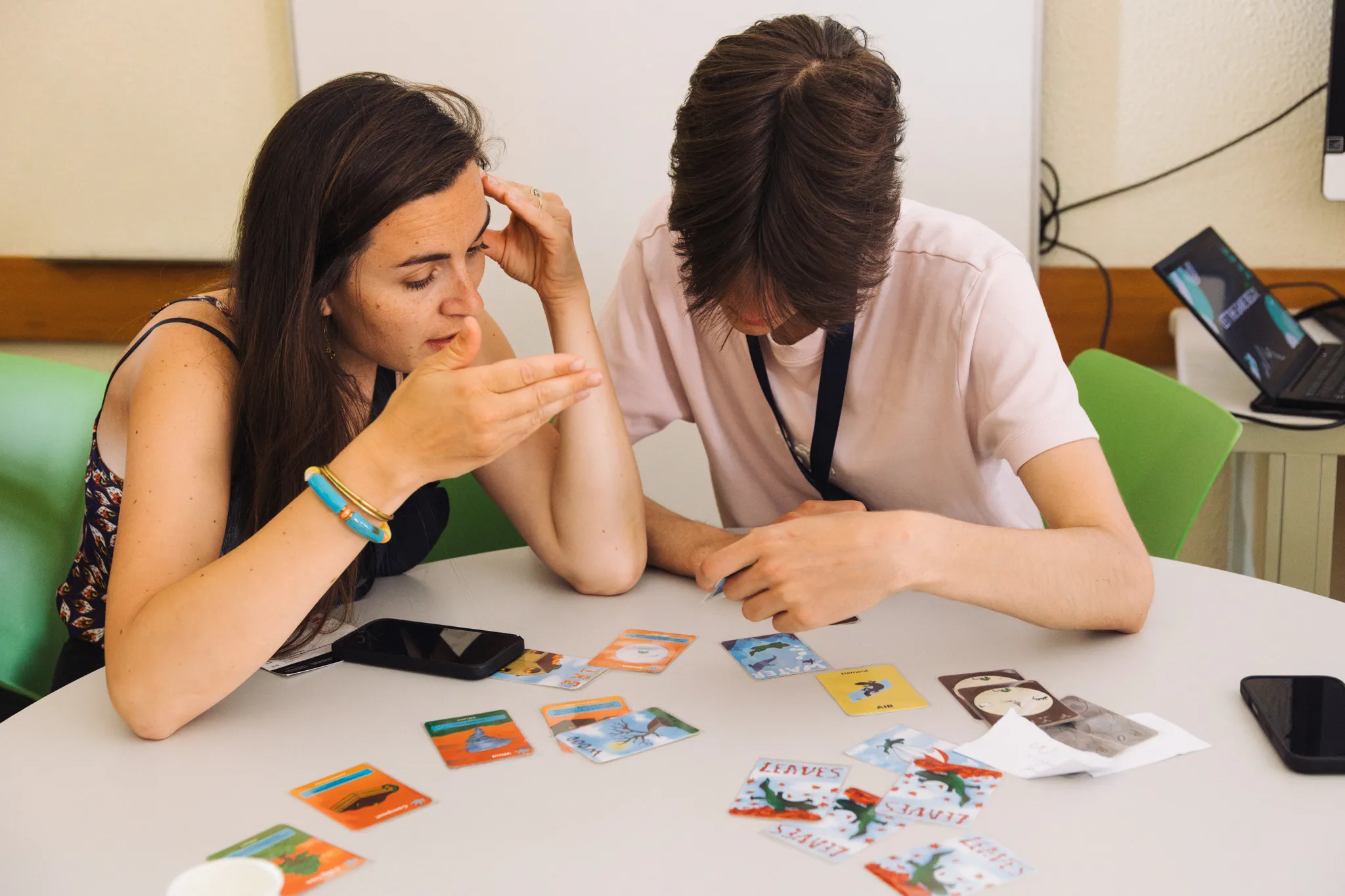
In the afternoon, a workshop on the future of universities was held for students.
The next edition of the ECIU University Forum will take place at the University of Twente (Netherlands).
Source: UAveiro.
Photos provided by UAveiro.
.webp)